

A design-leadership case study
Merchant Services Developer Center
The product was the Merchant Services Developer Center. It began as a redesign of the aging, decade-old portal many merchants used to connect to their payments and reports — with the aspiration to rebuild it on APIs already in the air. I came to it as Head of UX, Merchant Services, then carried it as the design SME through the reorg that made me Tribe Lead — owning it the whole way. Within a year I was assigned the organization’s API platform project: the multi-storefront, one-application API store. That left Merchant Services at a fork — keep extending the ten-year-old site, or build a new storefront that integrated with the API store I’d built. I set that strategy and that direction; the final integration was theirs to decide. It’s where the firm’s developer-platform craft began.
What it became
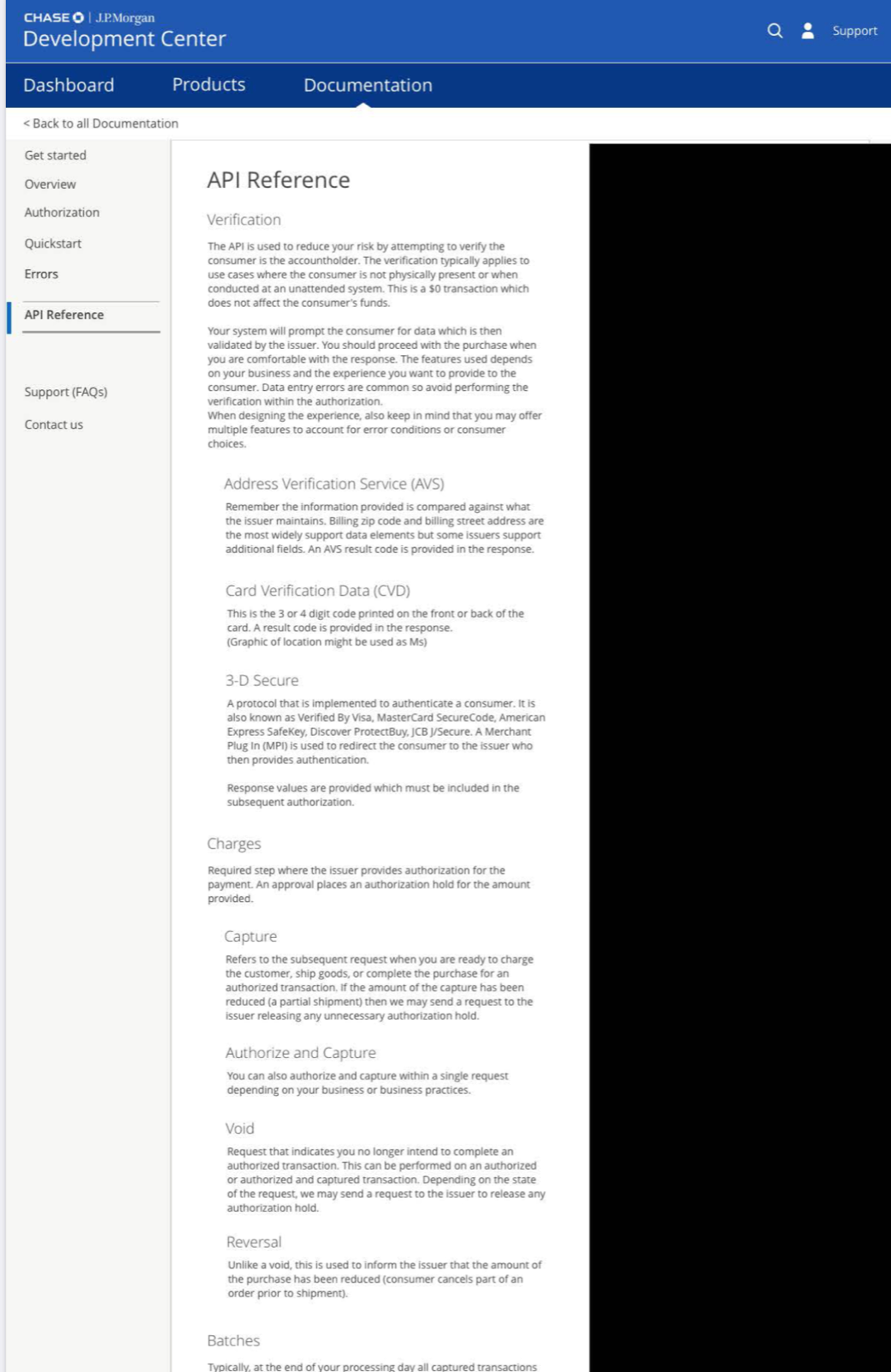
A modern, self-service developer portal.
Discoverable APIs, interactive docs, and self-service onboarding — rebuilt from a legacy stack into the experience that set the pattern for the firm’s developer ecosystem.
Outcome
Replacing PDFs with a CMS-driven docs platform cut friction for third-party developers, and taking the APIs and docs public turned partner onboarding into self-service discovery — no longer locked behind a sign-in and business-development hand-offs.
This case walks the work in the order it happened — discovery, concepts, the build and its docs — and where it led next. The strategic and refinement detail is available on request.
At a glance
Role
Owned it as design SME across the reorg — from Head of UX, Merchant Services to Tribe Lead, API Portals — managing the cross-functional team: a design lead, UX designers, research, and a content strategist / hybrid technical writer
Scope
The Merchant Services developer portal (older tech stack) — discovery, portal UX, docs, and certification; web and mobile
Where it led
The origin of the firm’s dev-portal work — the one-API-store strategy (JPM · Chase · MS), the API Portal, and Connected Banking
Skills
Discovery & research · Information architecture · Content strategy · Design systems · Dev handoff · Platform modernization
On confidentiality. This page shows my process and leadership. Any data shown is illustrative, and internal artifacts are recreated clean. Full detail on request.
Before · the problem
A payments platform developers couldn’t easily build on.
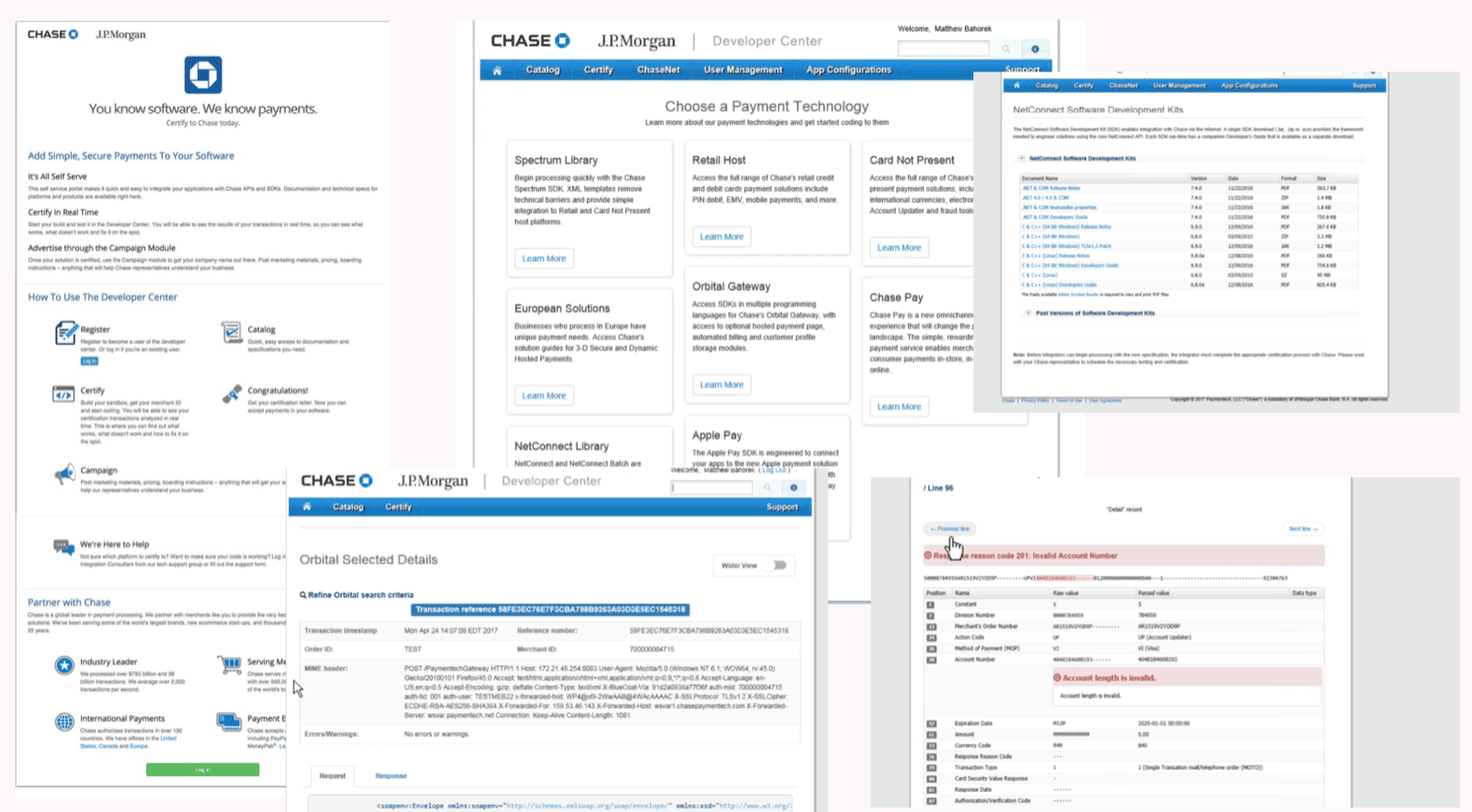
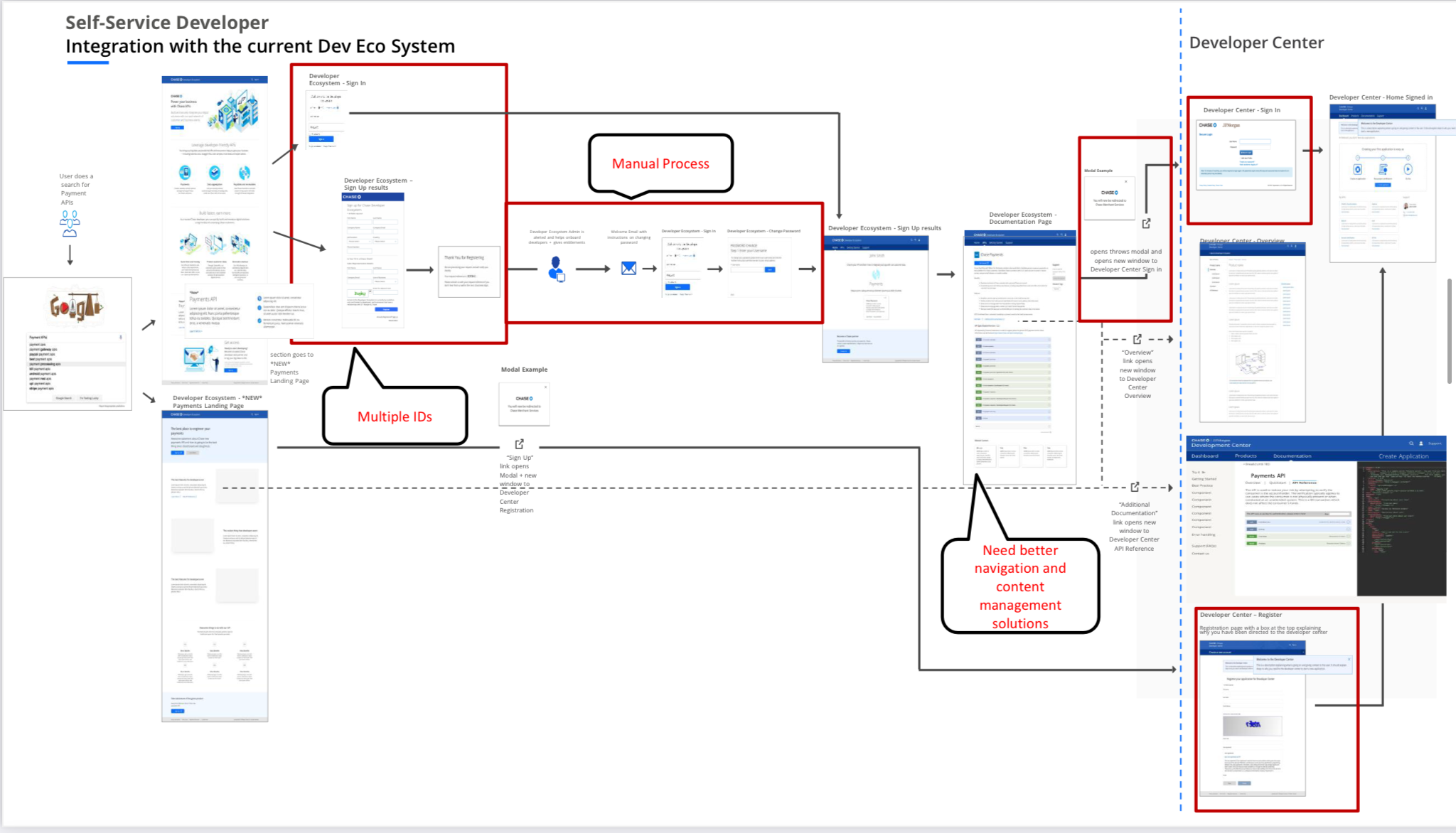
The developer experience for Chase’s payment and merchant-services products ran on an aging stack. Getting started meant working through a list of PDF documents and a static catalog — products were listed, but there was no way to discover them, search, read docs in context, or start building.
For a platform meant to attract third-party developers, the experience itself was the barrier.
Discover · due diligence
Learn the developer — and the services — cold.
Before designing anything, I ran deep due diligence: on the developers who’d use the portal, and on the payment services themselves. This is where the discovery method I later taught began.
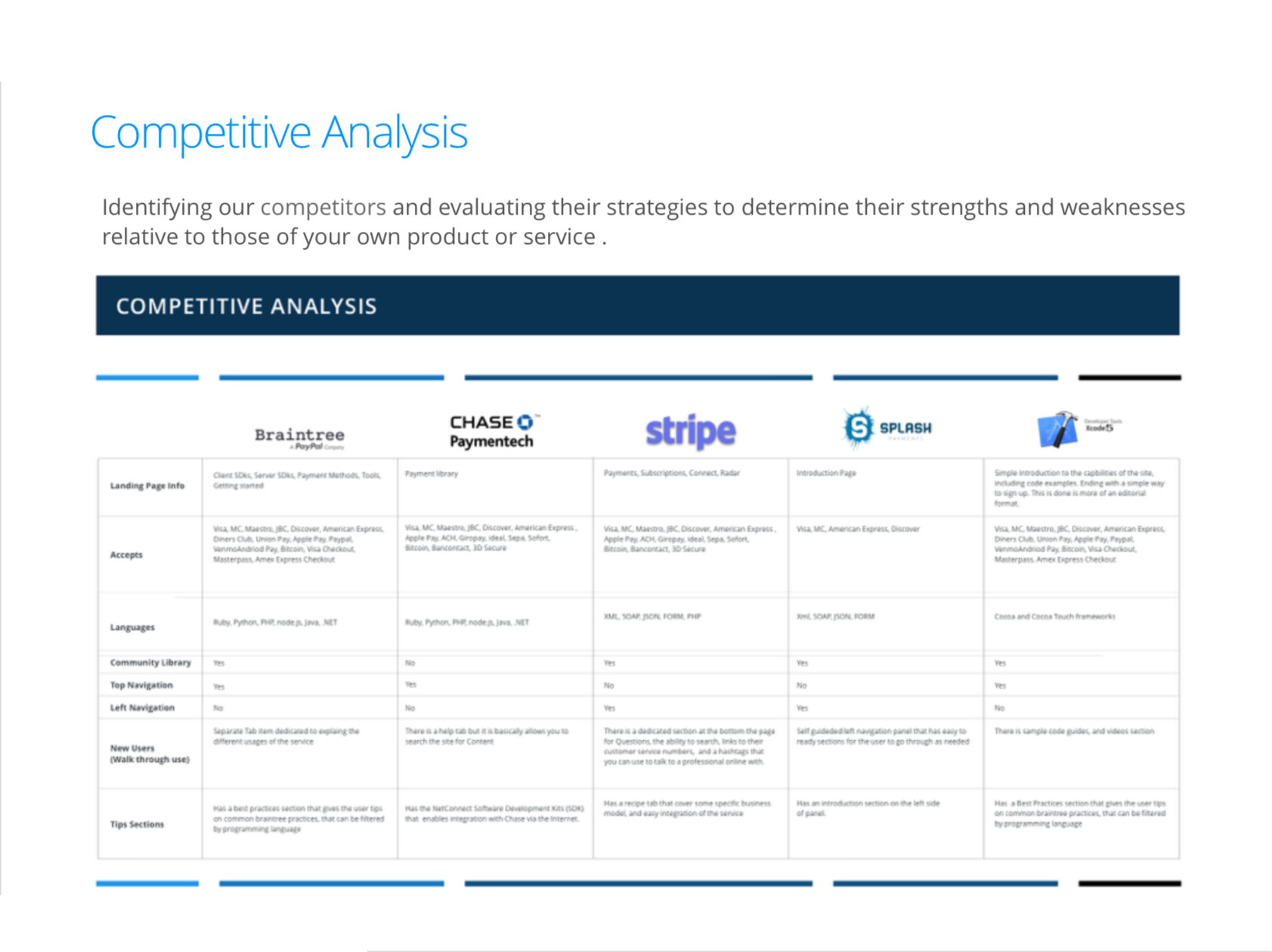
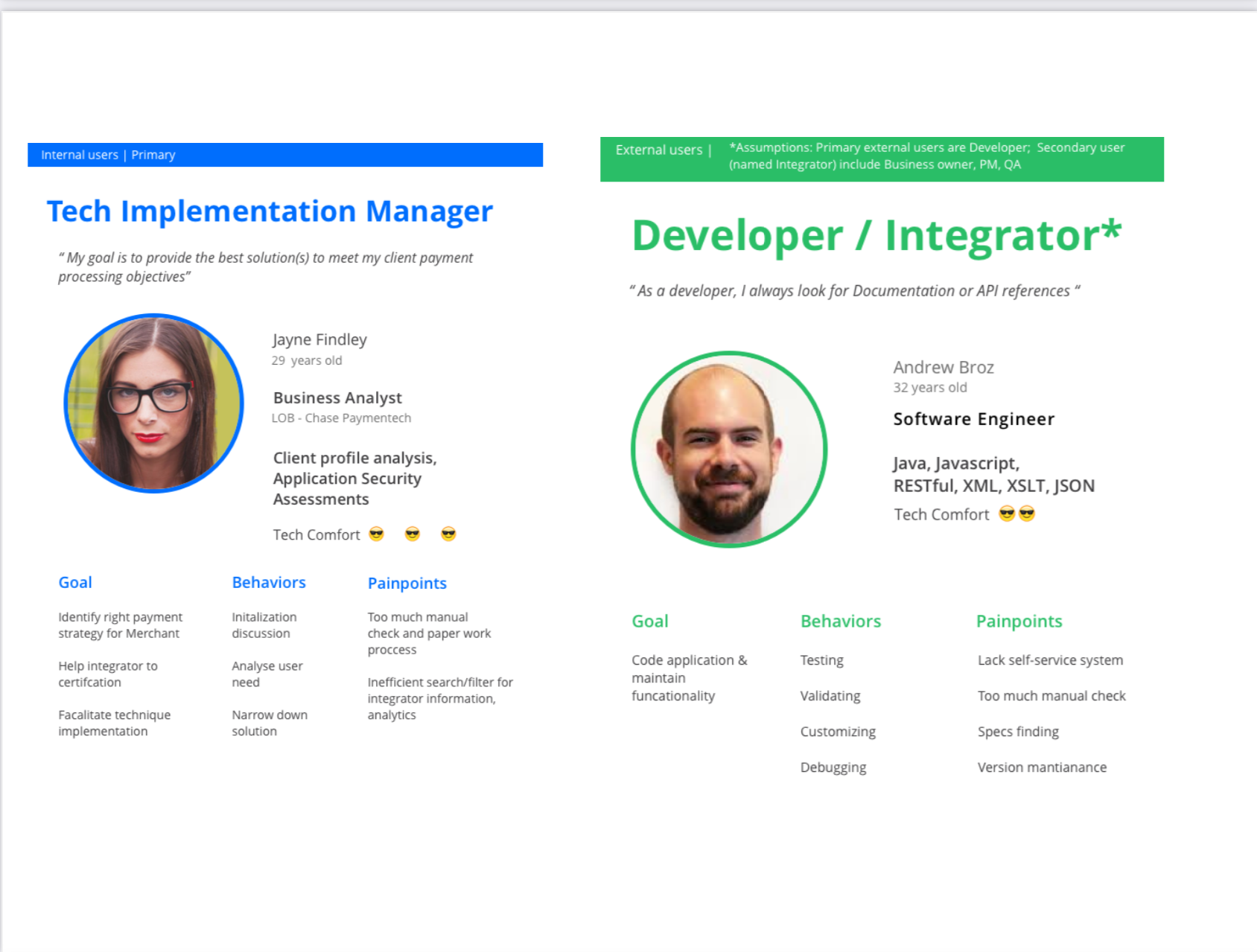
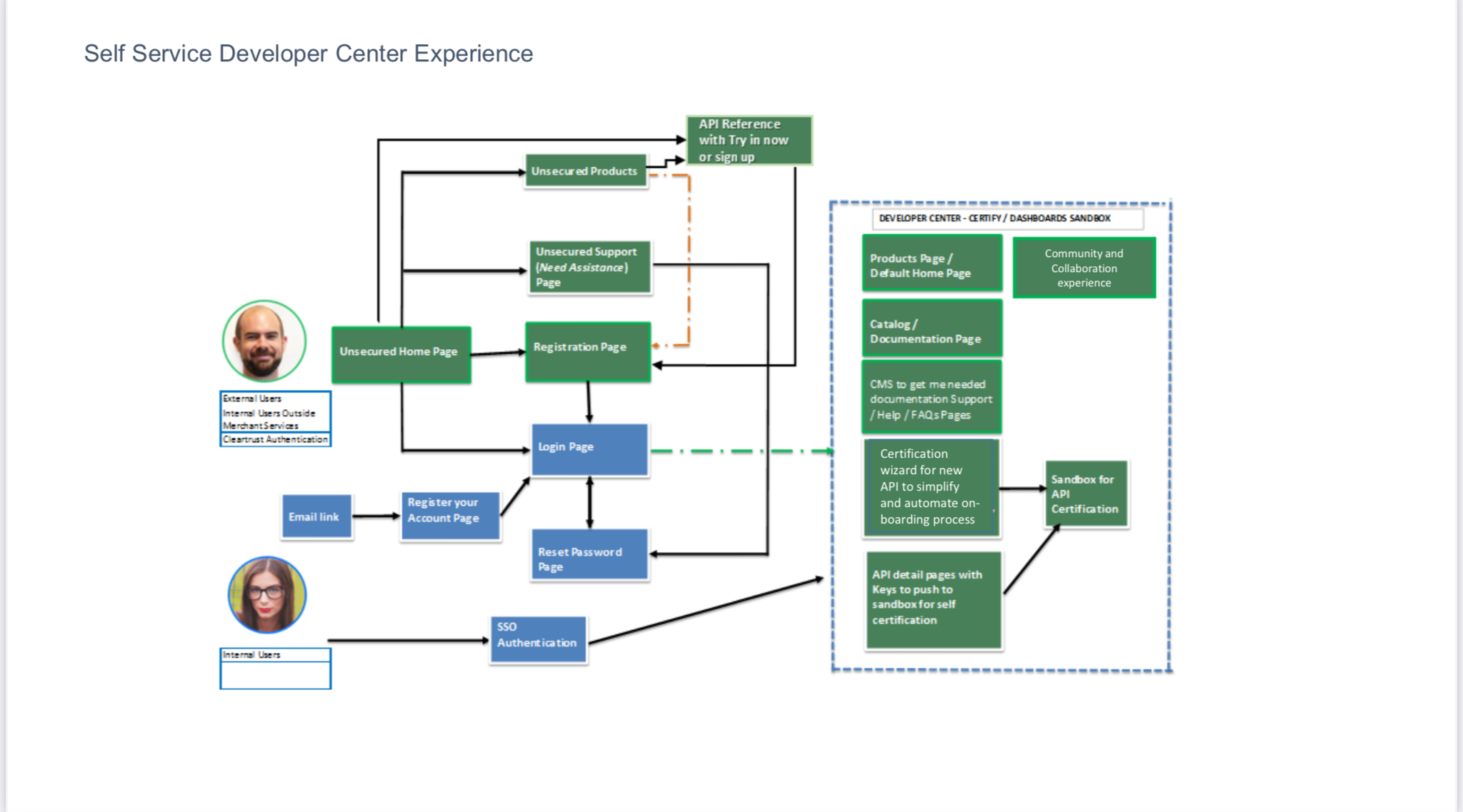
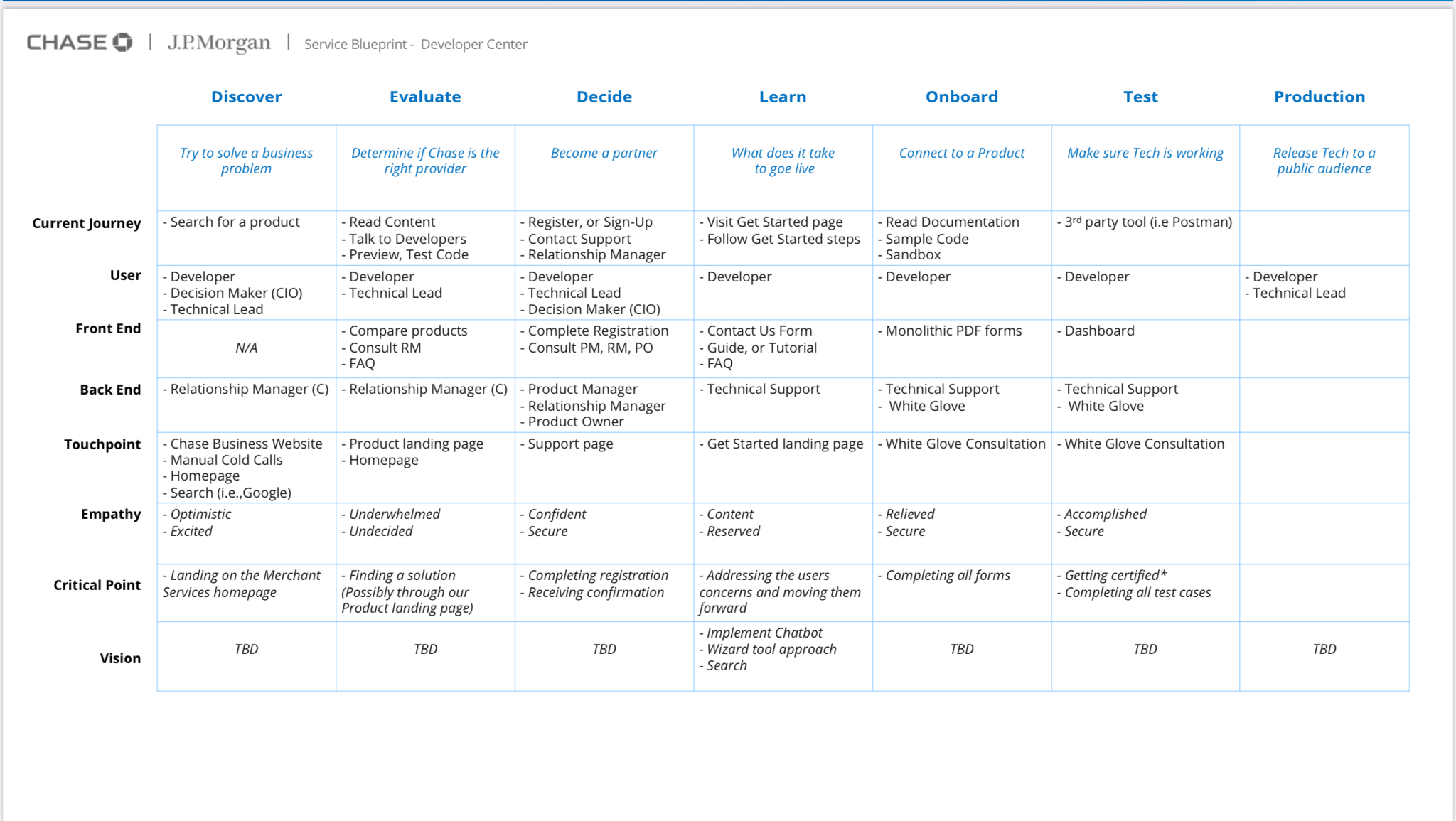
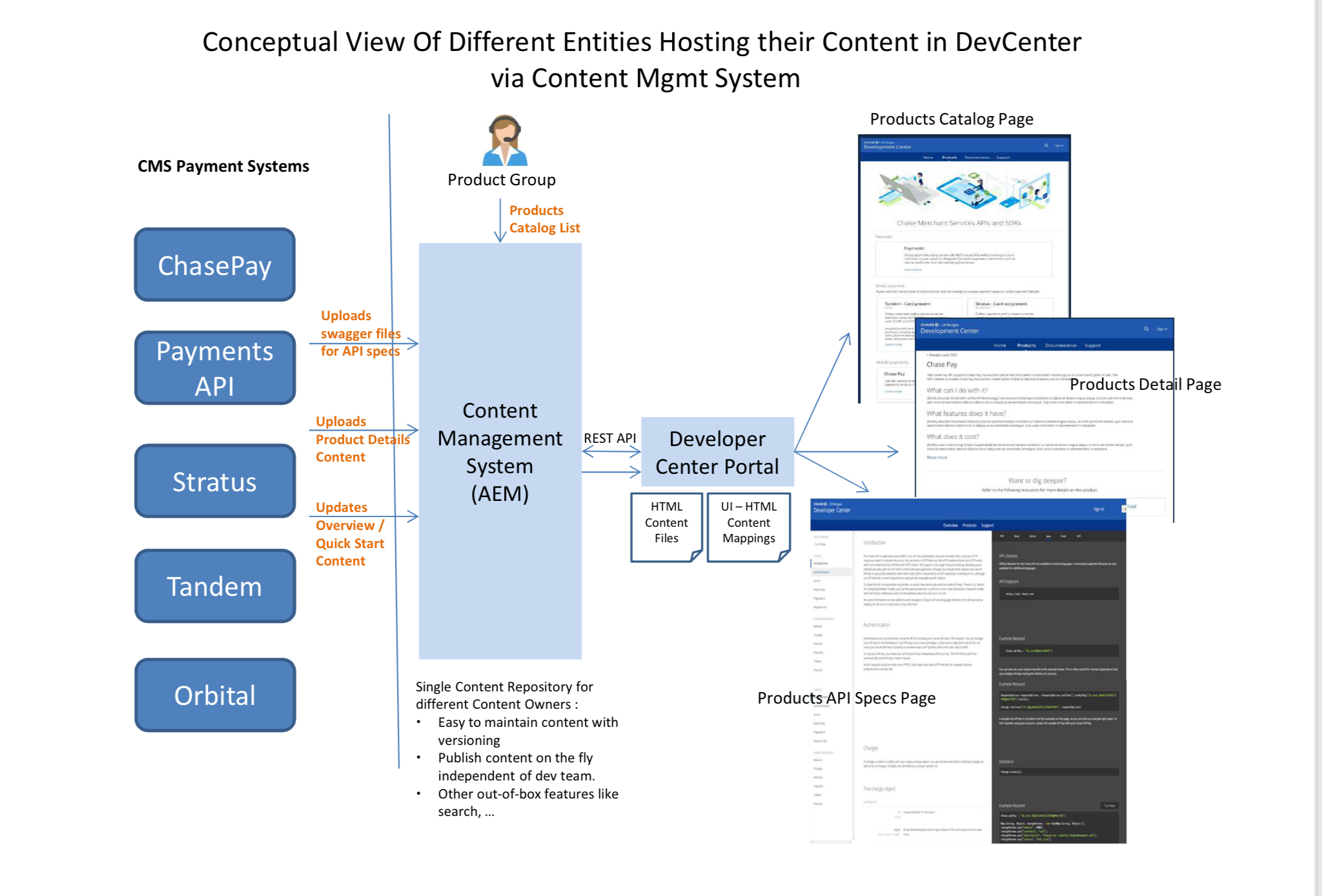
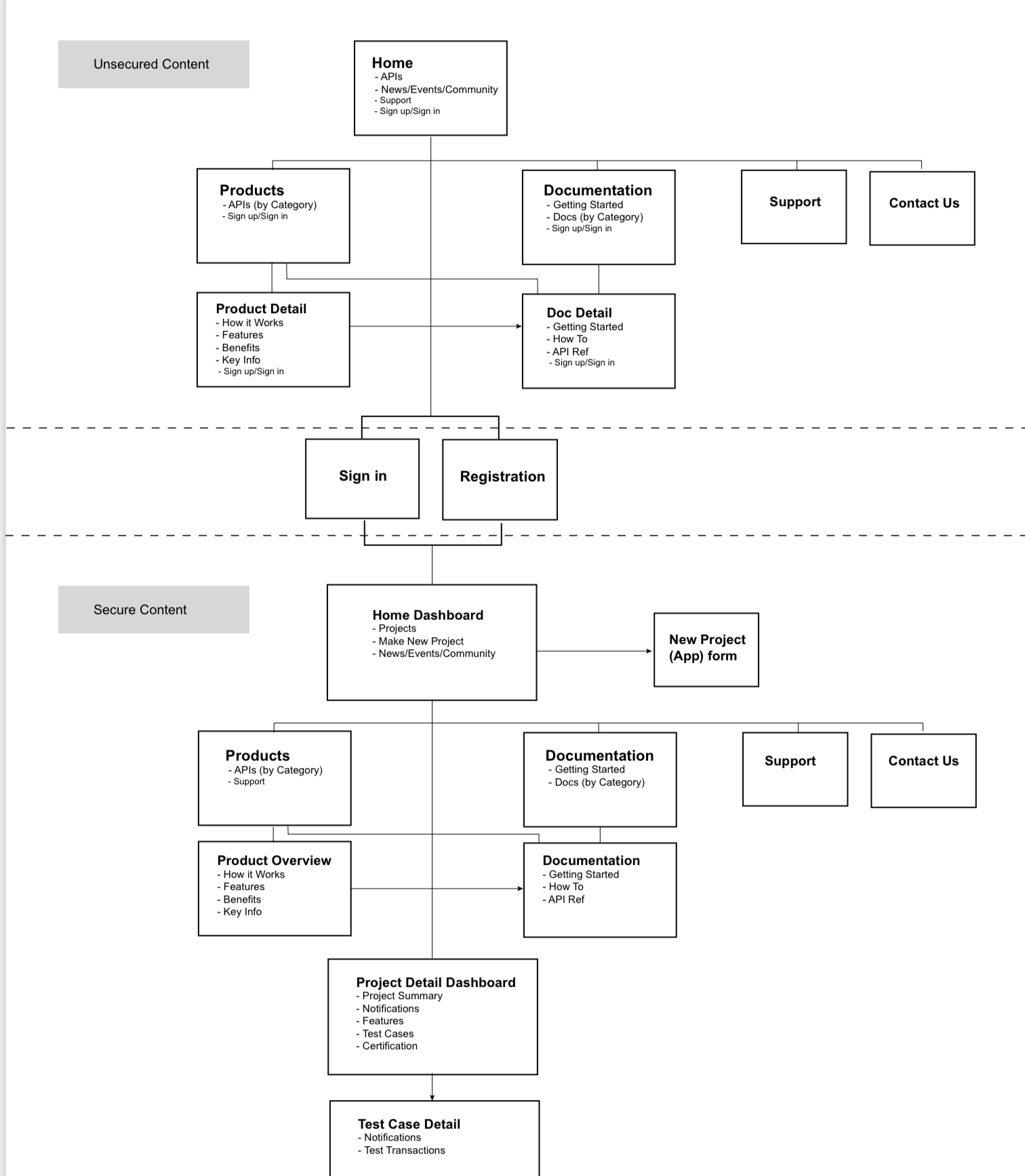
Service blueprint, journeys, personas, competitive analysis — the repeatable method I later taught, and the origin of the firm’s dev-portal craft whose deeper mechanics played out on the API Portal.
Content strategy → DX philosophy
What research said makes a good developer experience.
The research kept returning the same truths: developers expect to solve problems themselves, and self-service is the norm — they search, scan the docs, and want to start building without jumping through hoops. Finding and accessing the documentation was the priority.
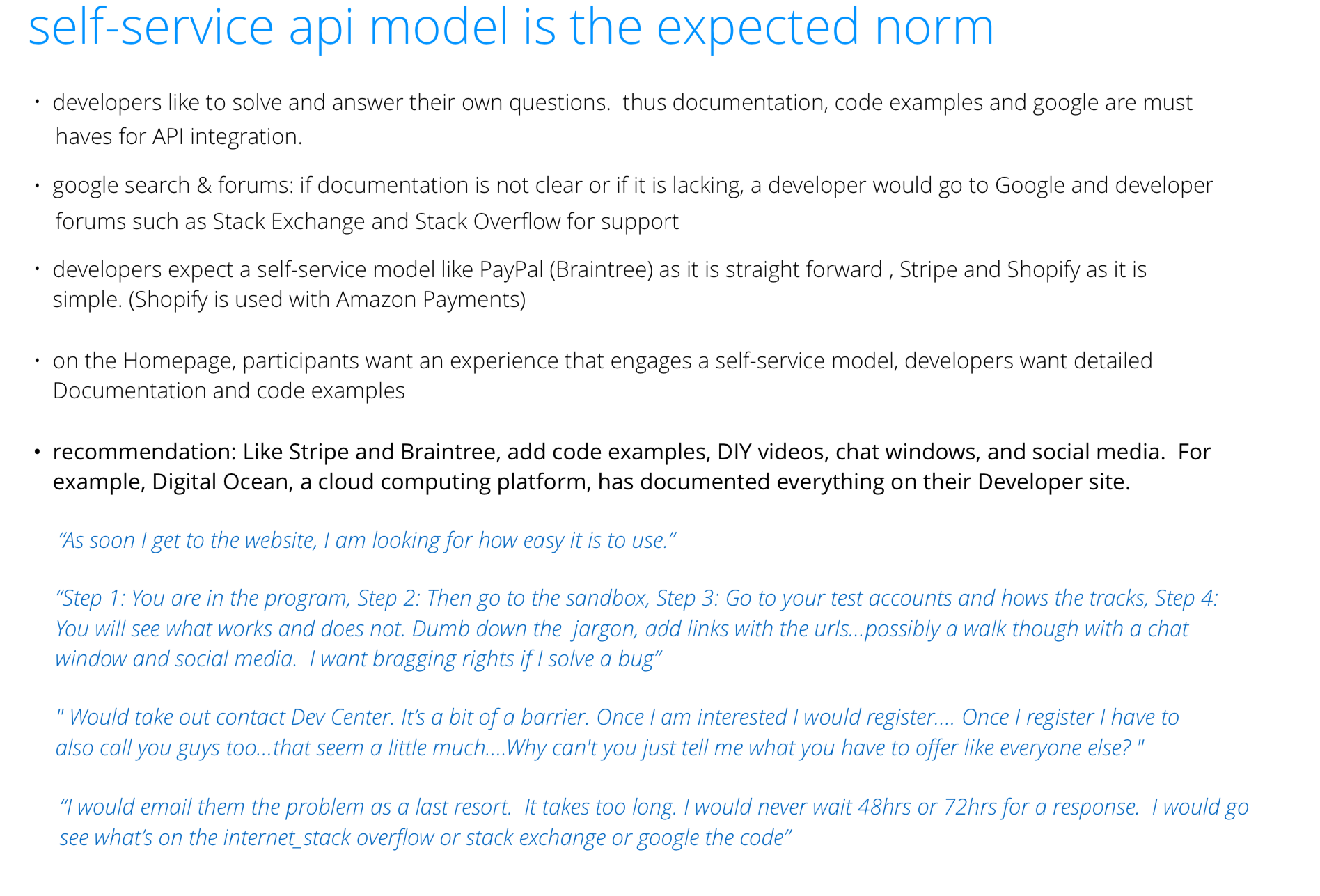
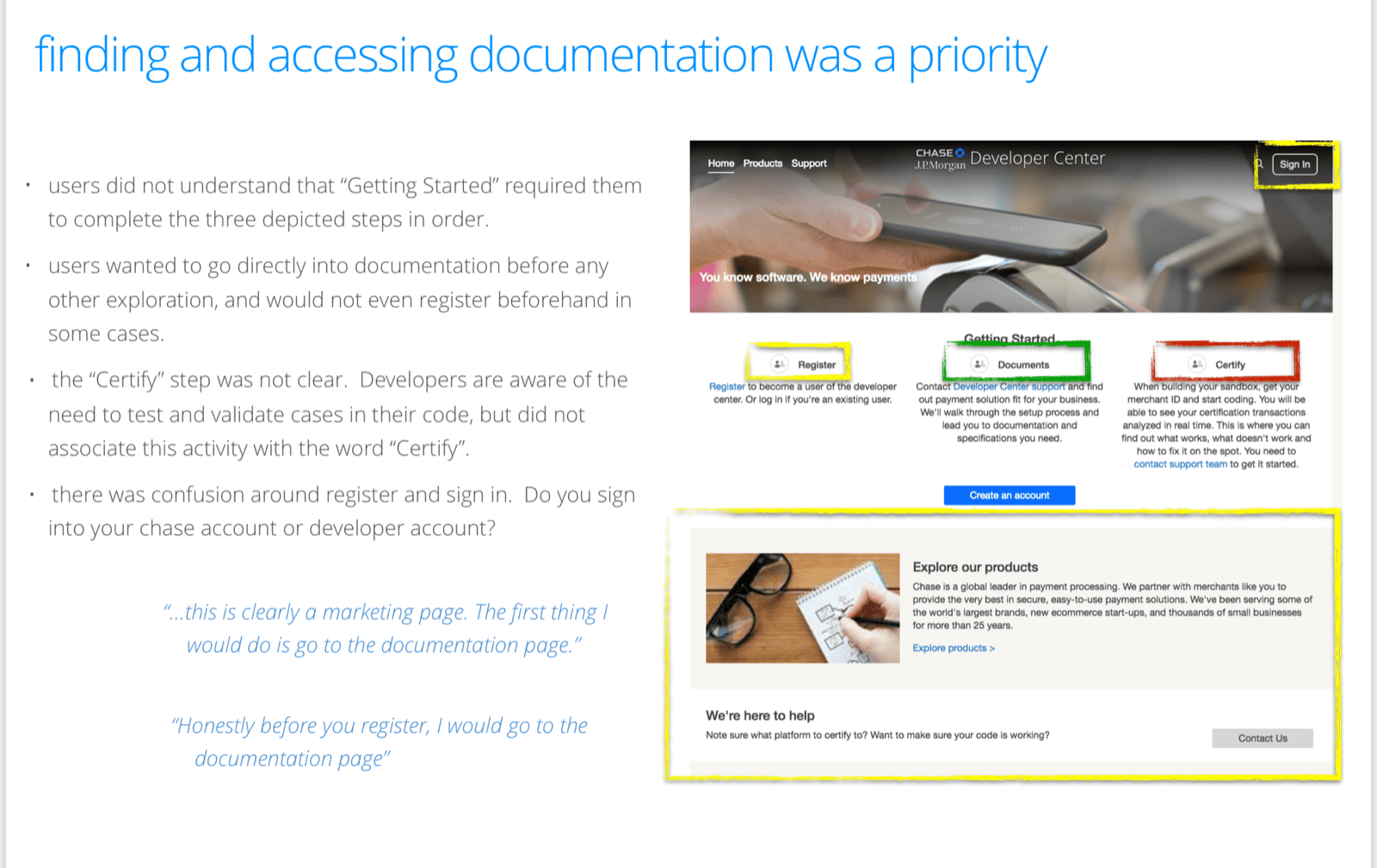
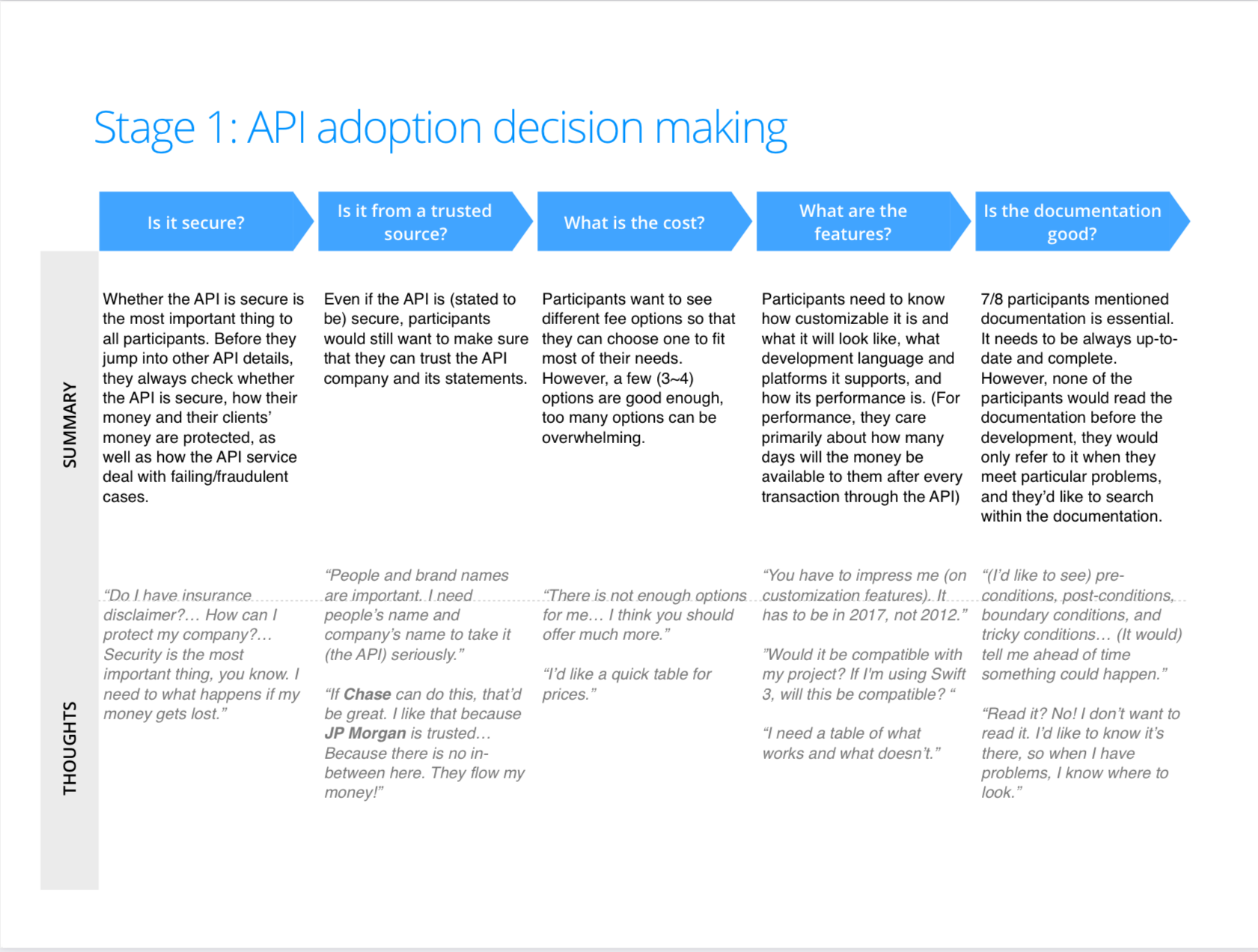
These became the DX principles the portal was built on — and the case for treating content strategy as a first-class discipline. Championing it is how I came to manage the quality of the pipeline’s docs and APIs.
Workshops & ideation
Turning research into direction, with the team.
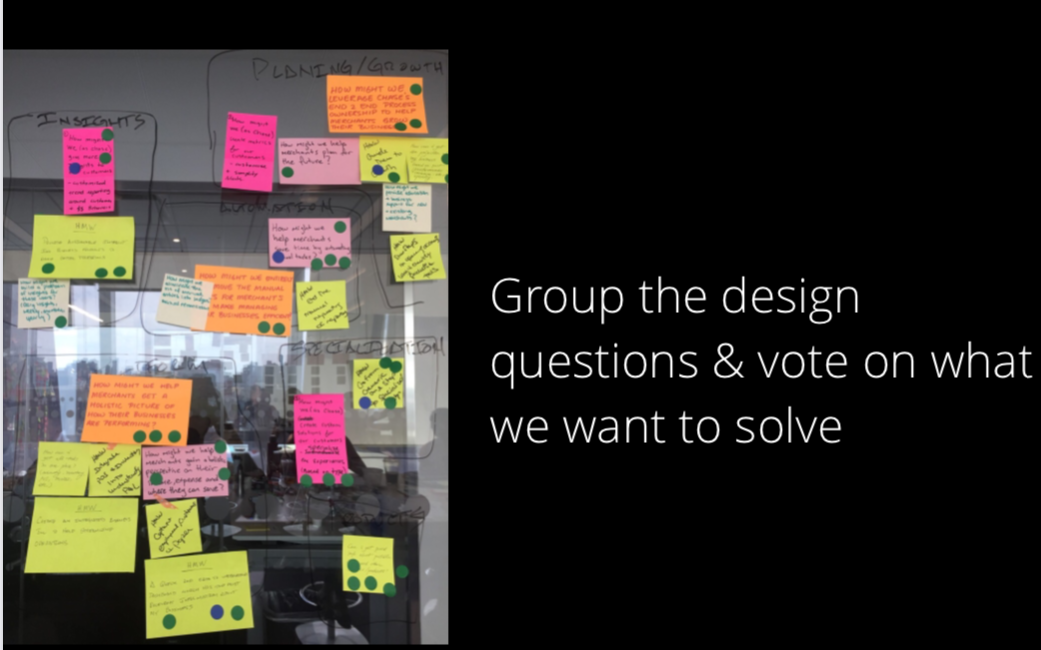
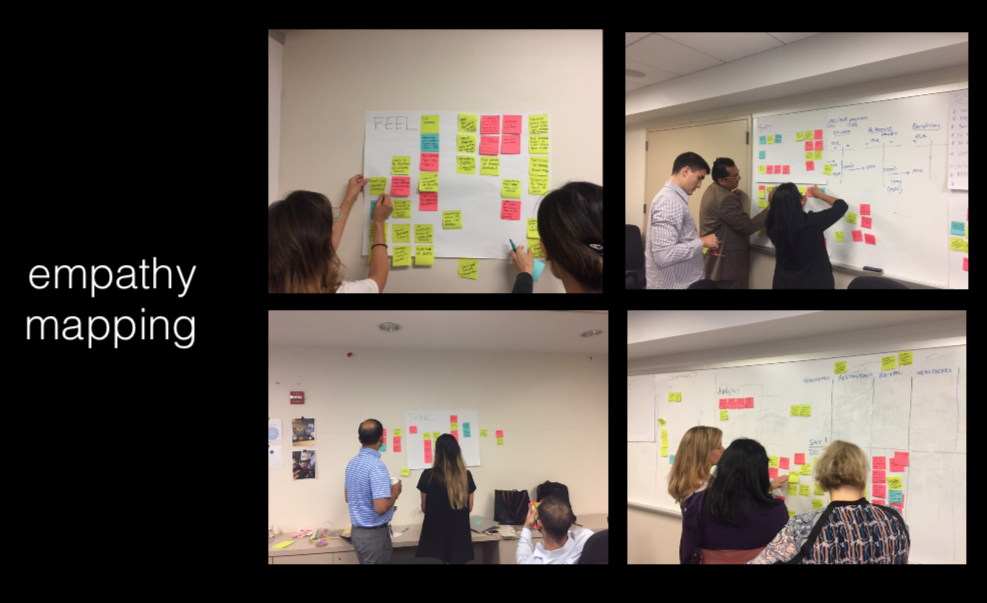
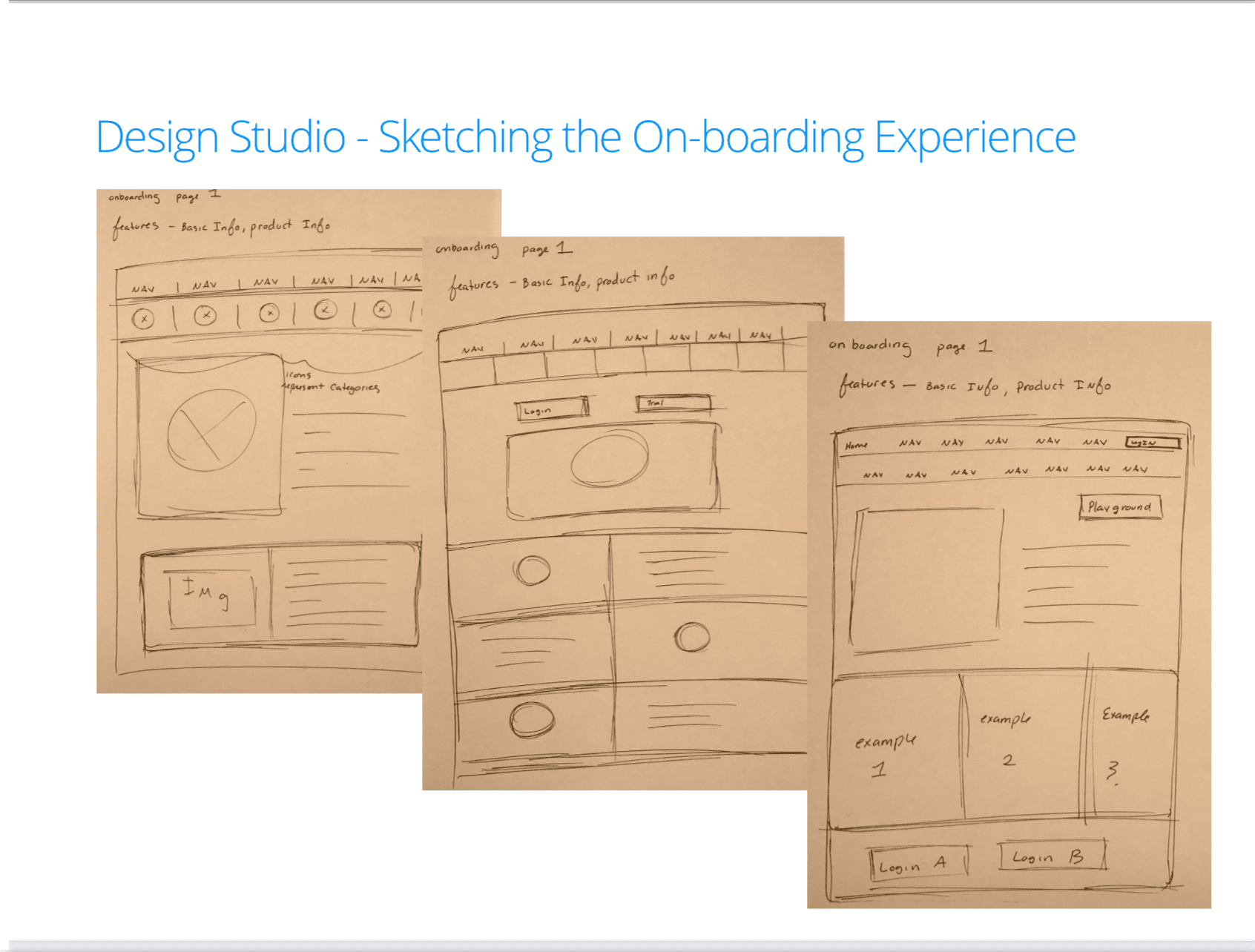
I facilitated ideation workshops with the team: empathy mapping, a design studio — sketch, share, critique, vote — and journey mapping with “how might we” framing to decide what to solve first.
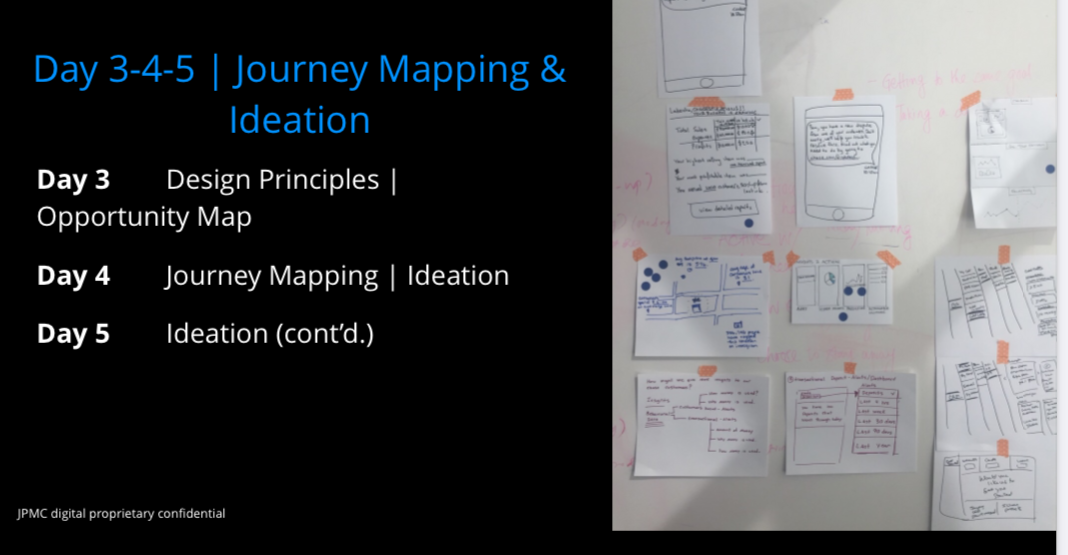
Concepts → flows
From sketch to high fidelity.
The onboarding, project creation, and core flows, built up in fidelity as the direction firmed — low-fi sketches, into wireframes, into high-fidelity screens.
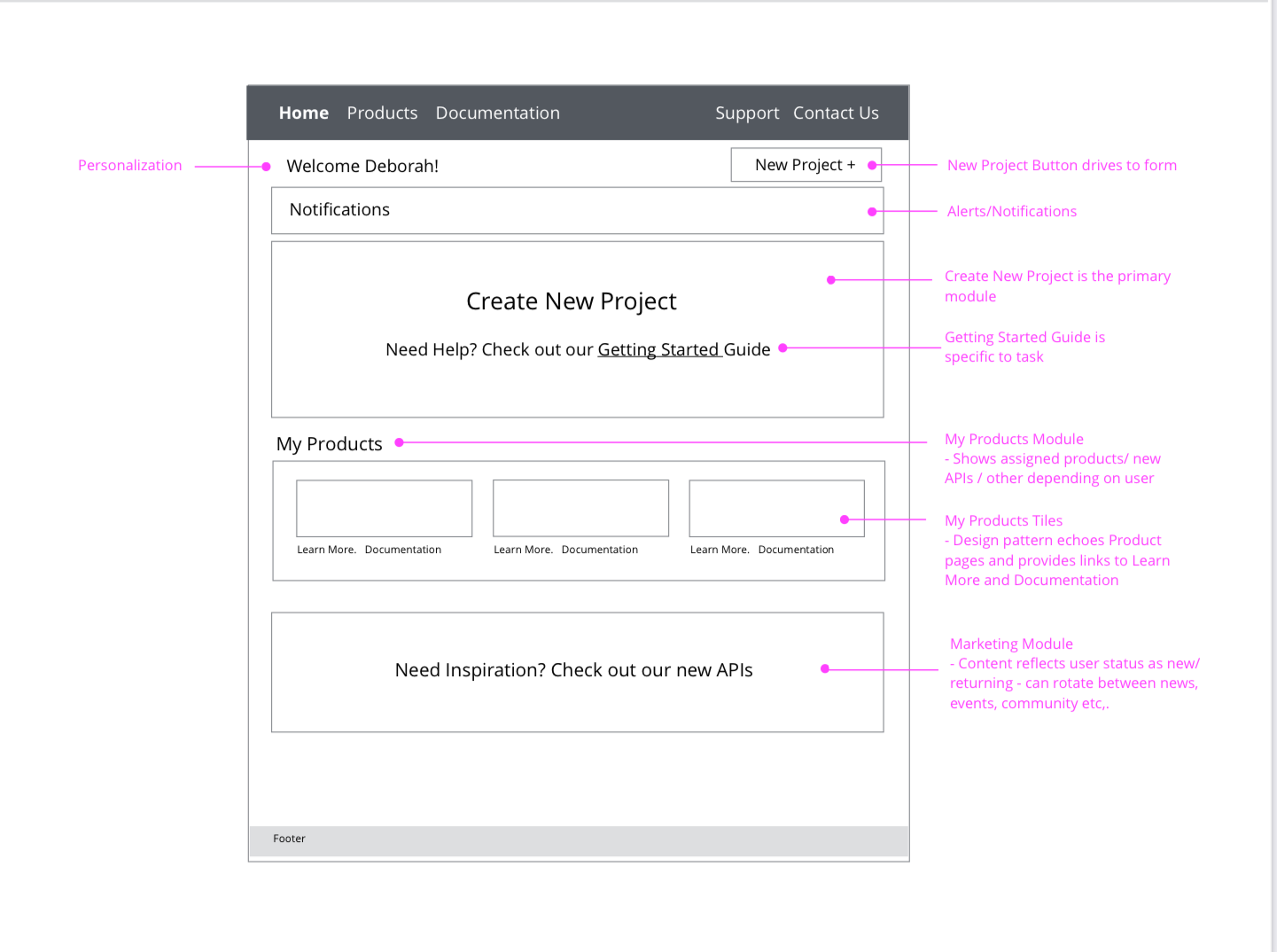
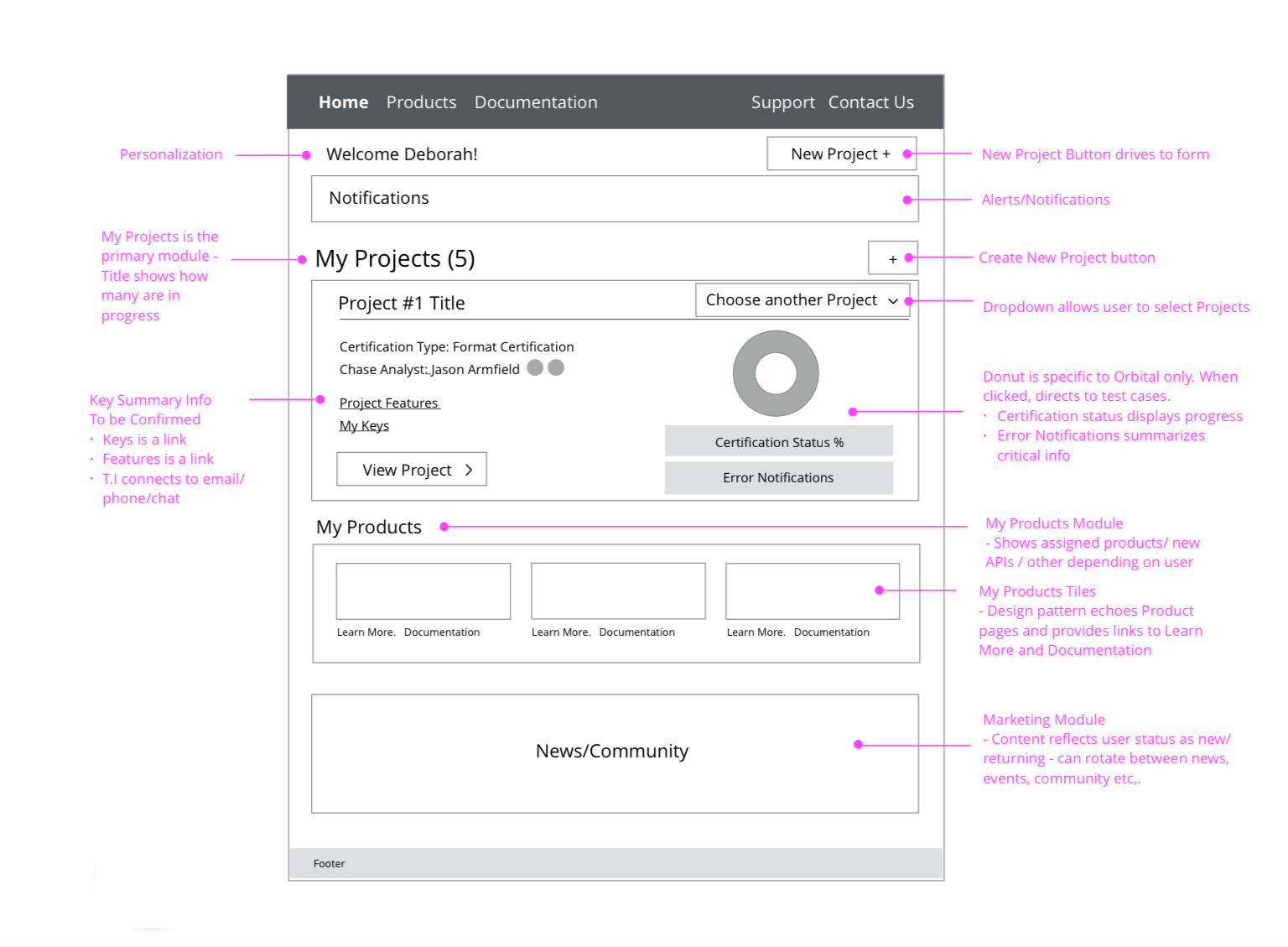
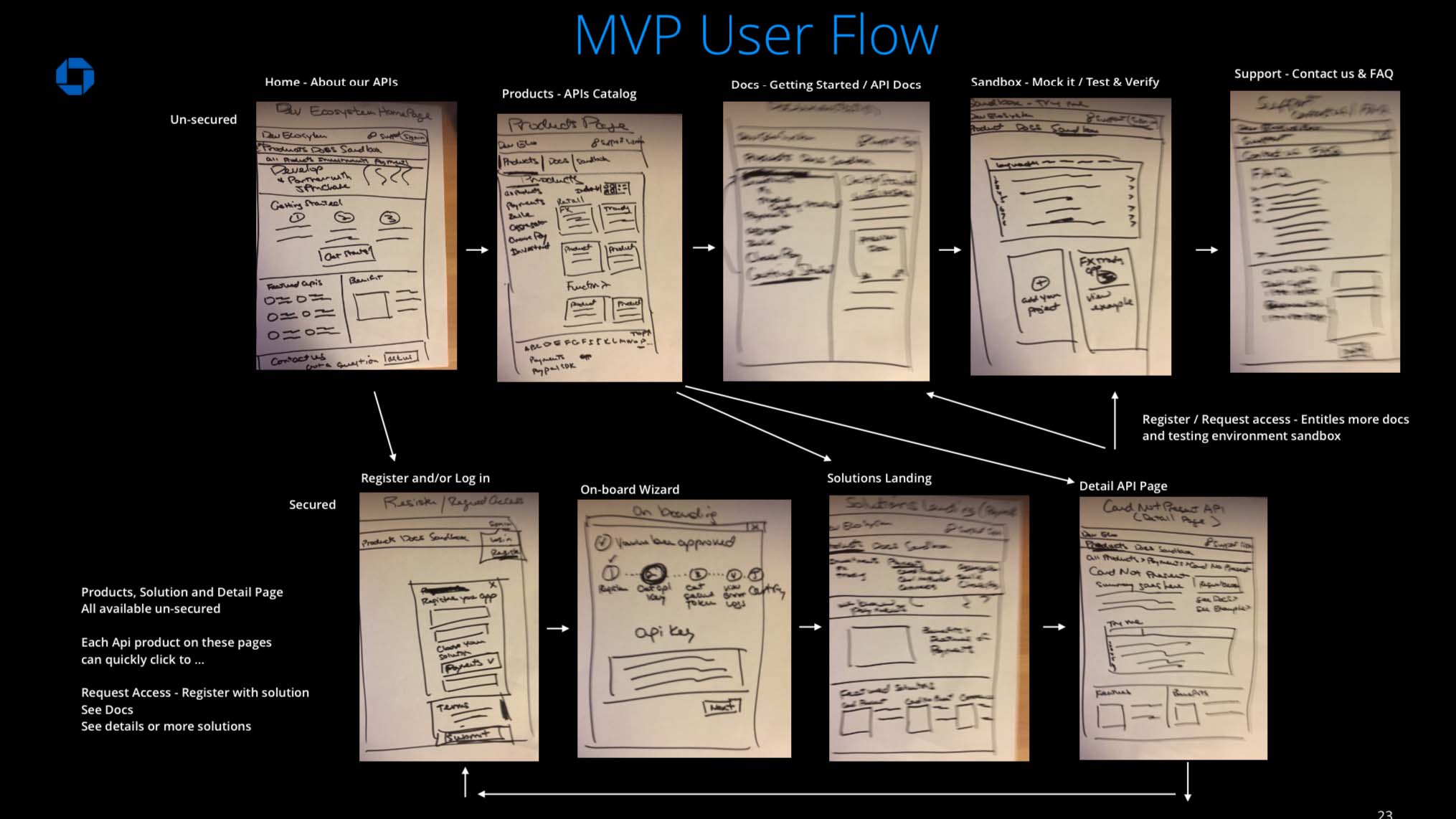
The finals
The modern Developer Center, shipped.
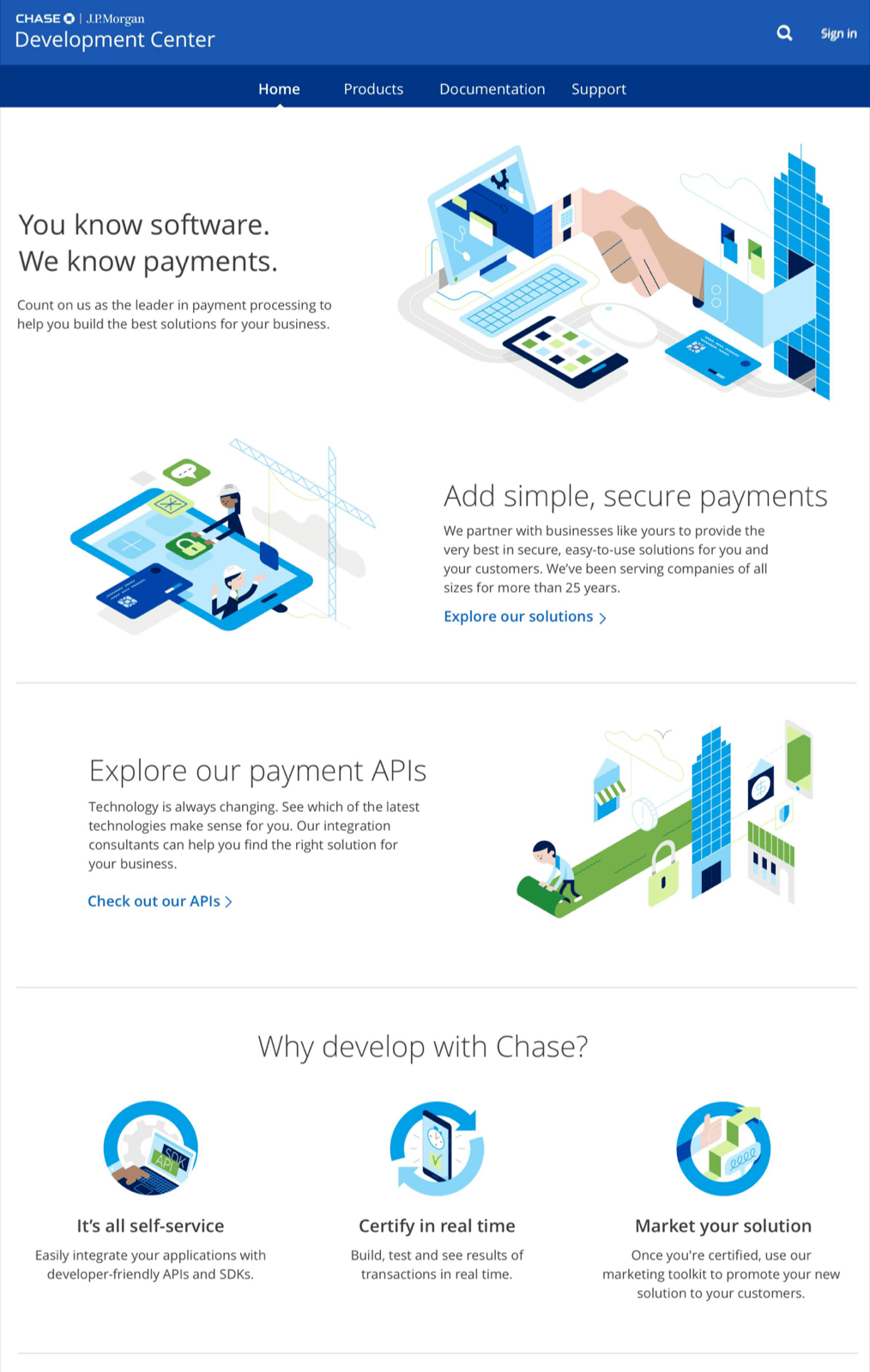
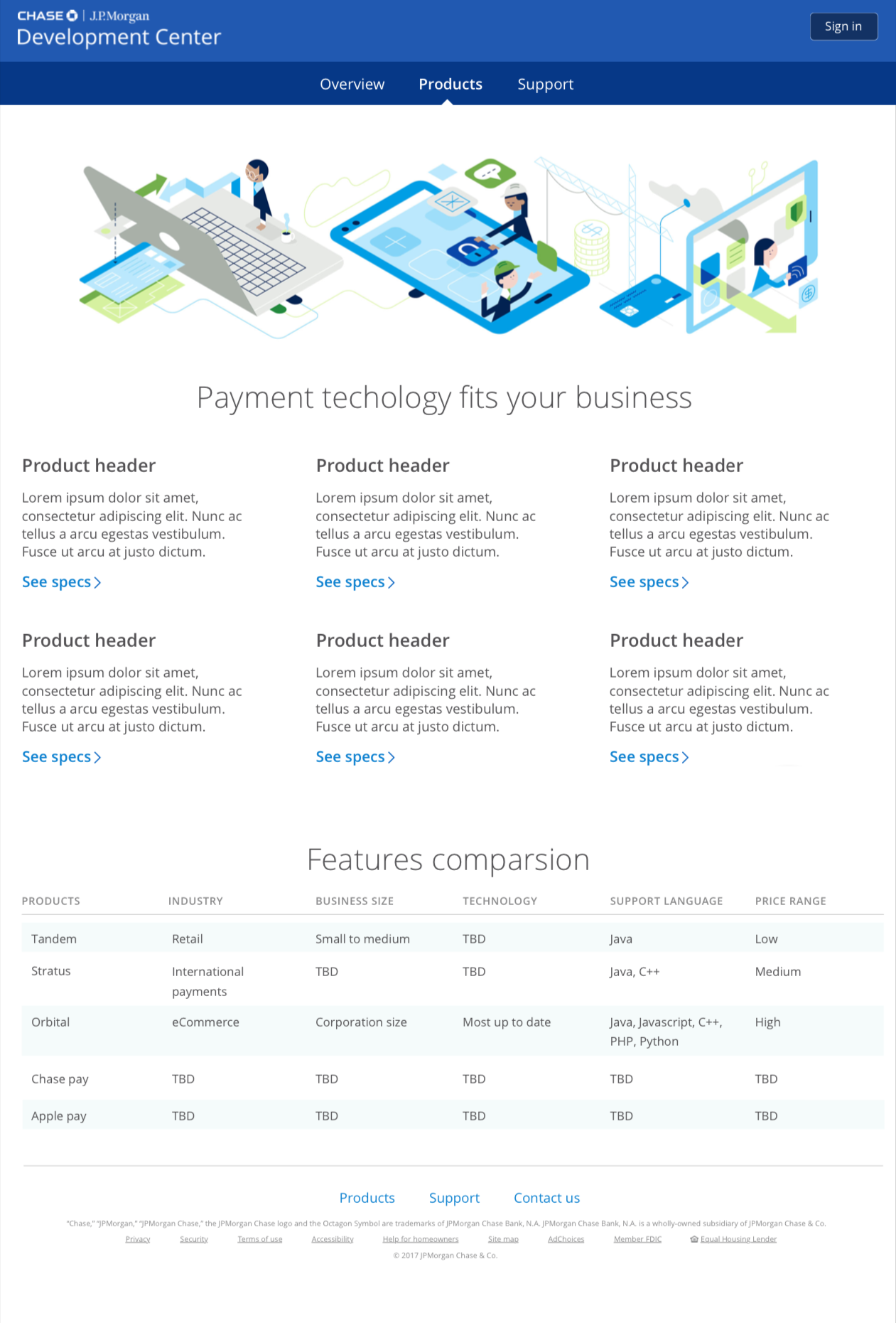
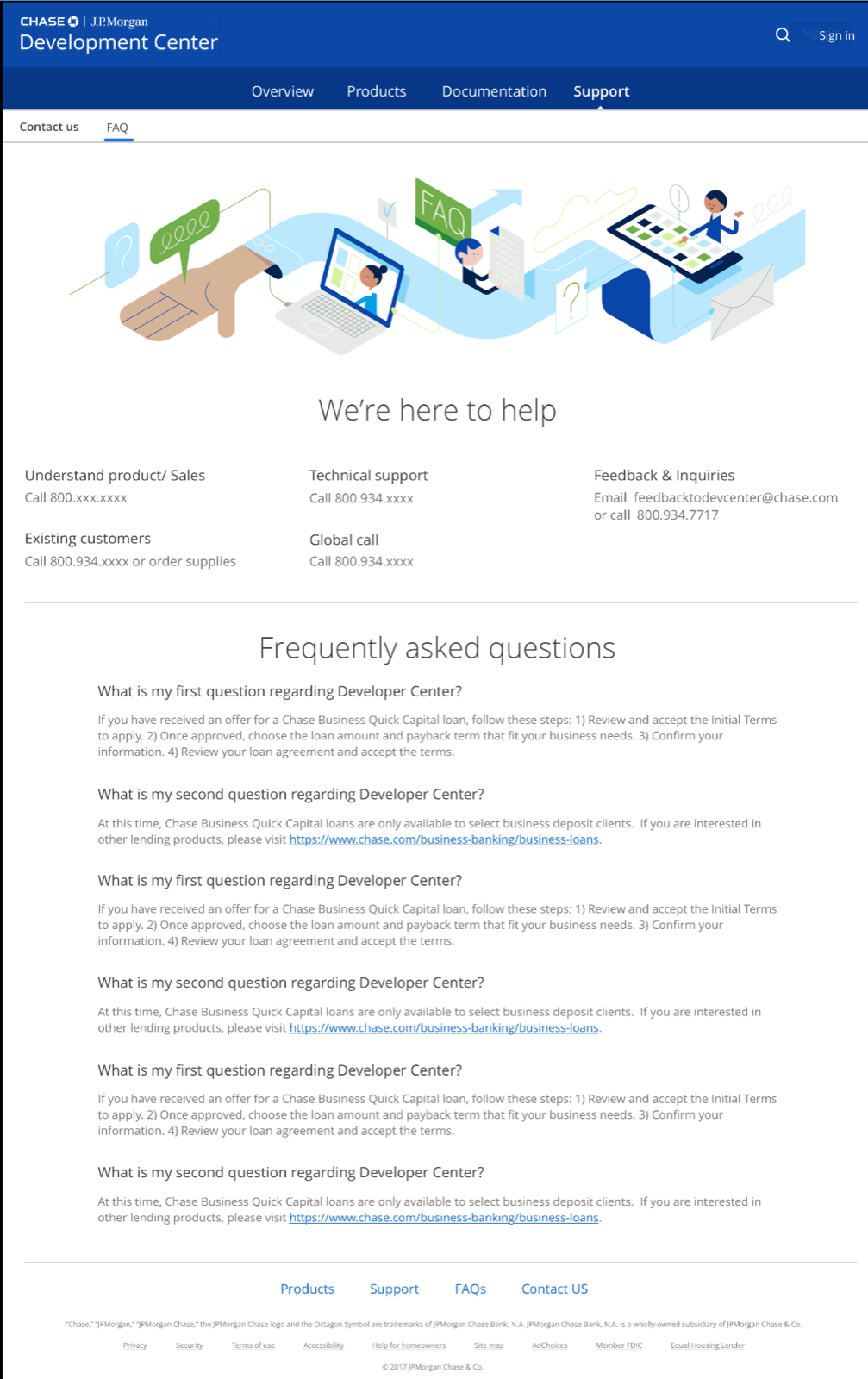
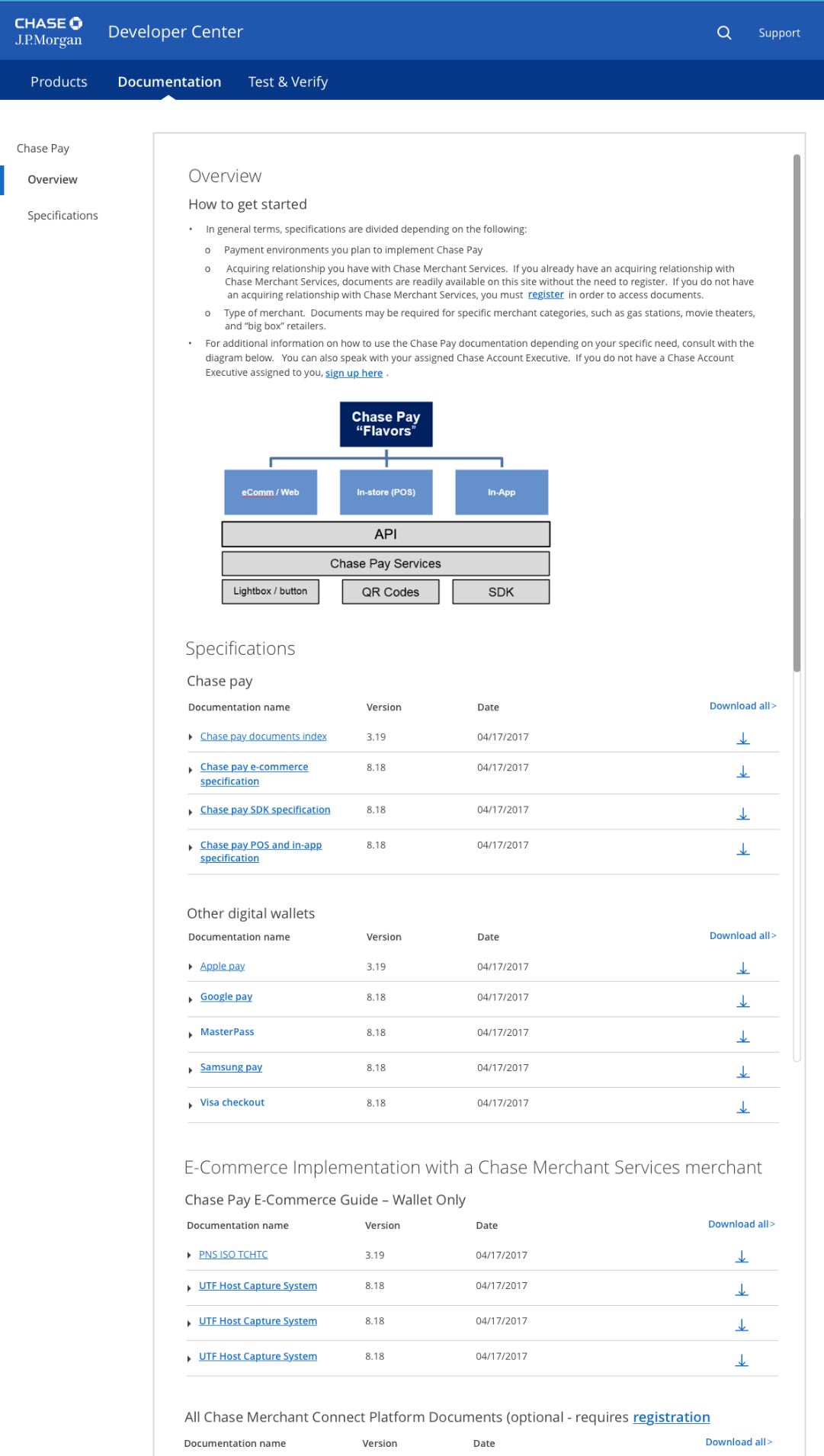
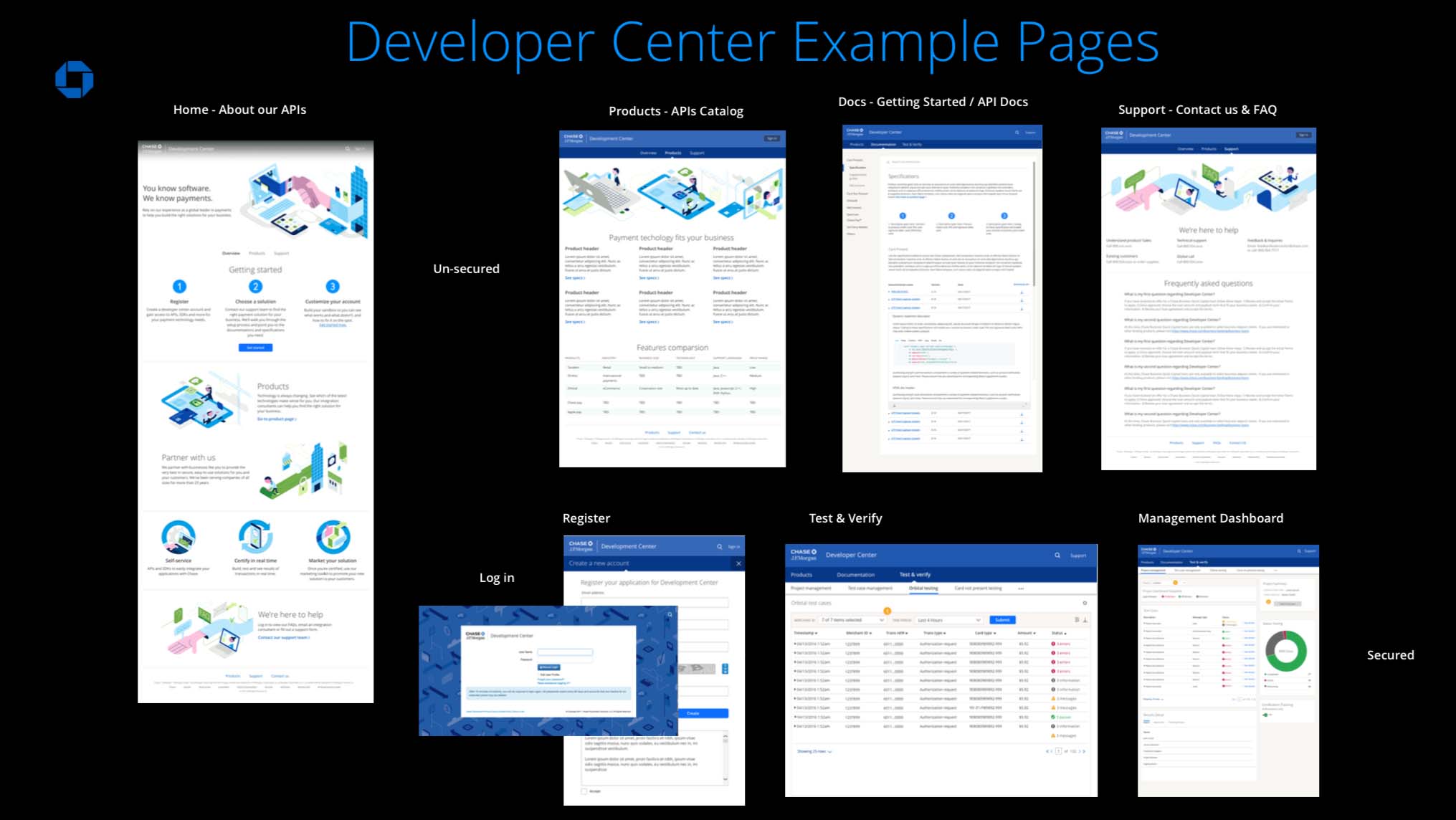
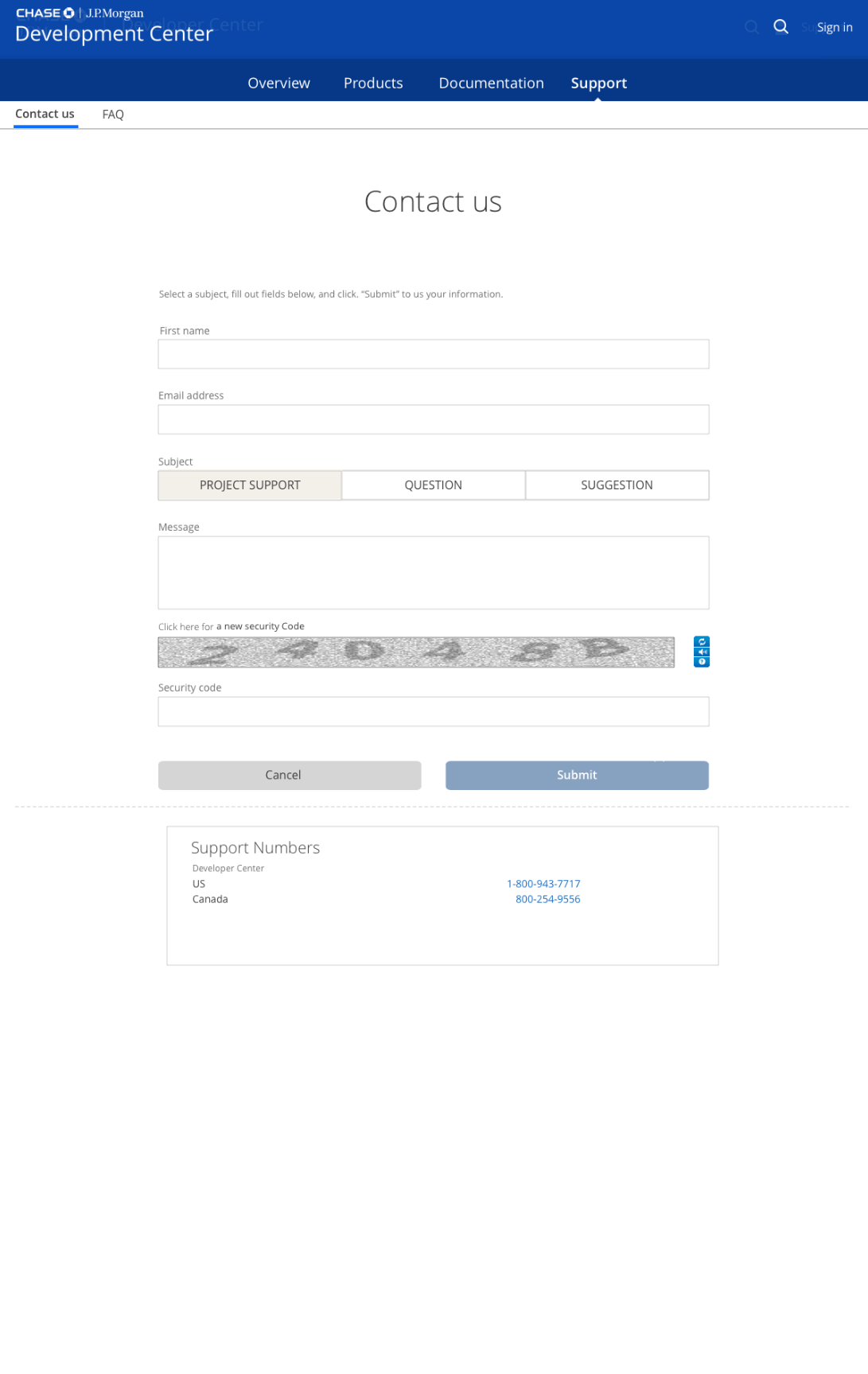
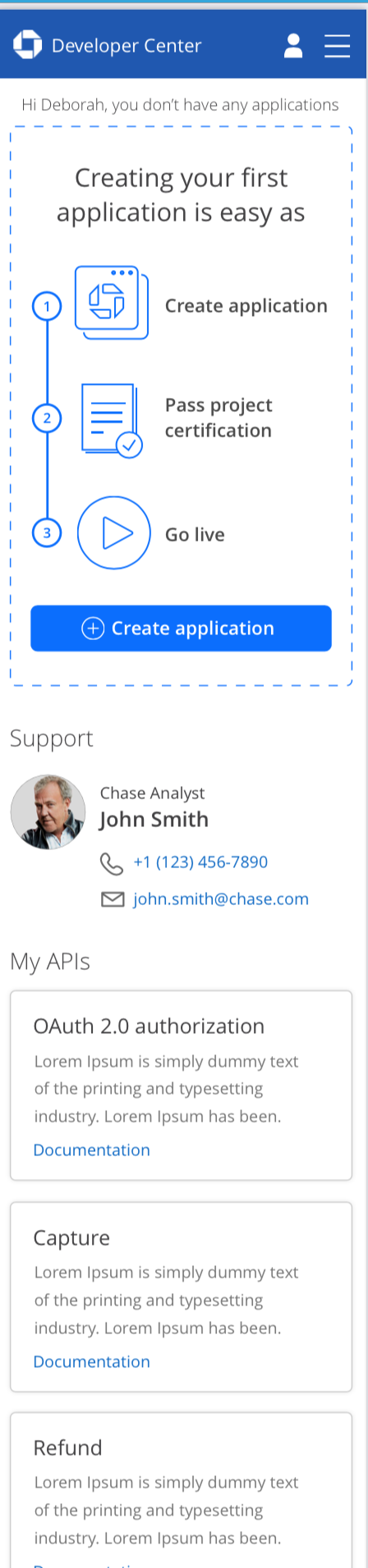
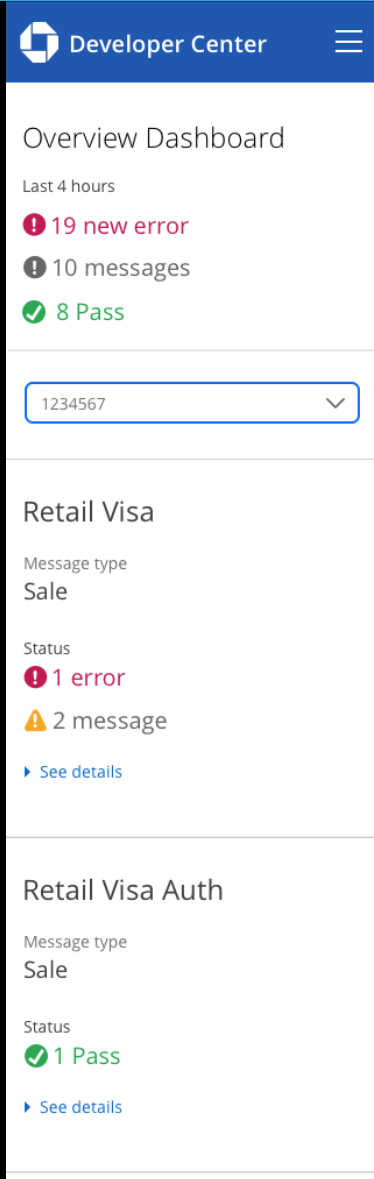
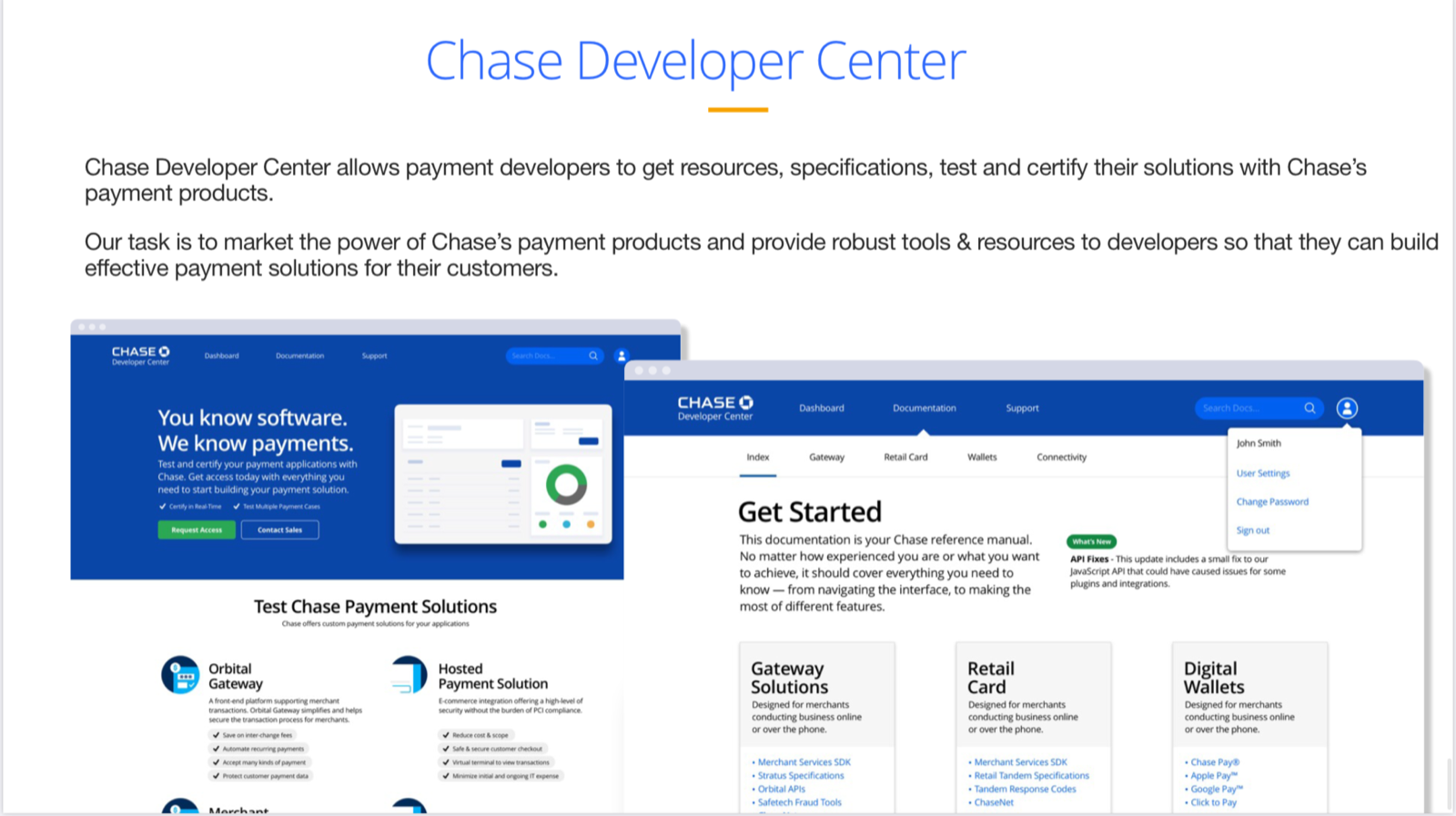
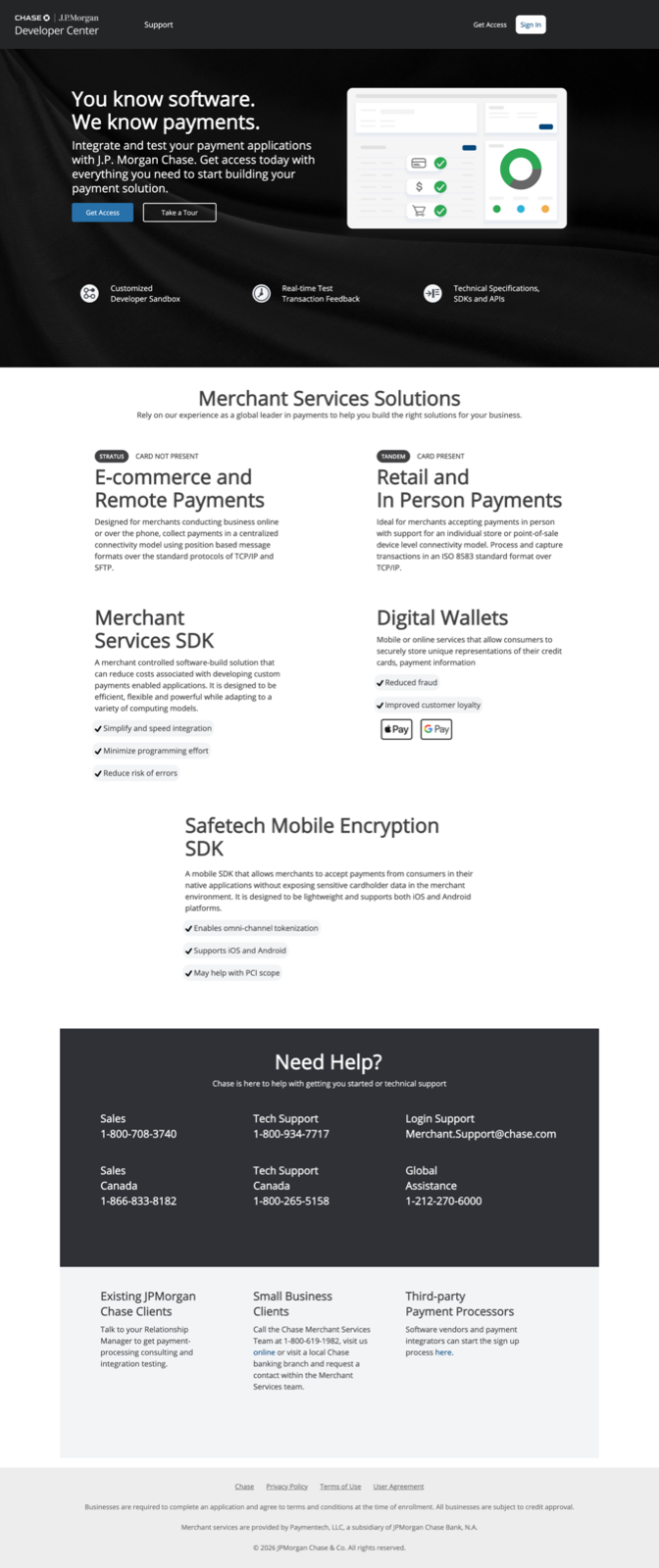
The self-service portal that replaced the legacy stack — a marketing-grade landing, discoverable APIs and docs, and self-service support.
The public experience, as a visiting developer first met it — landing, service pages, support, and the API documentation.
The strategy deep dive — password protected
The refinement, certification, and build detail.
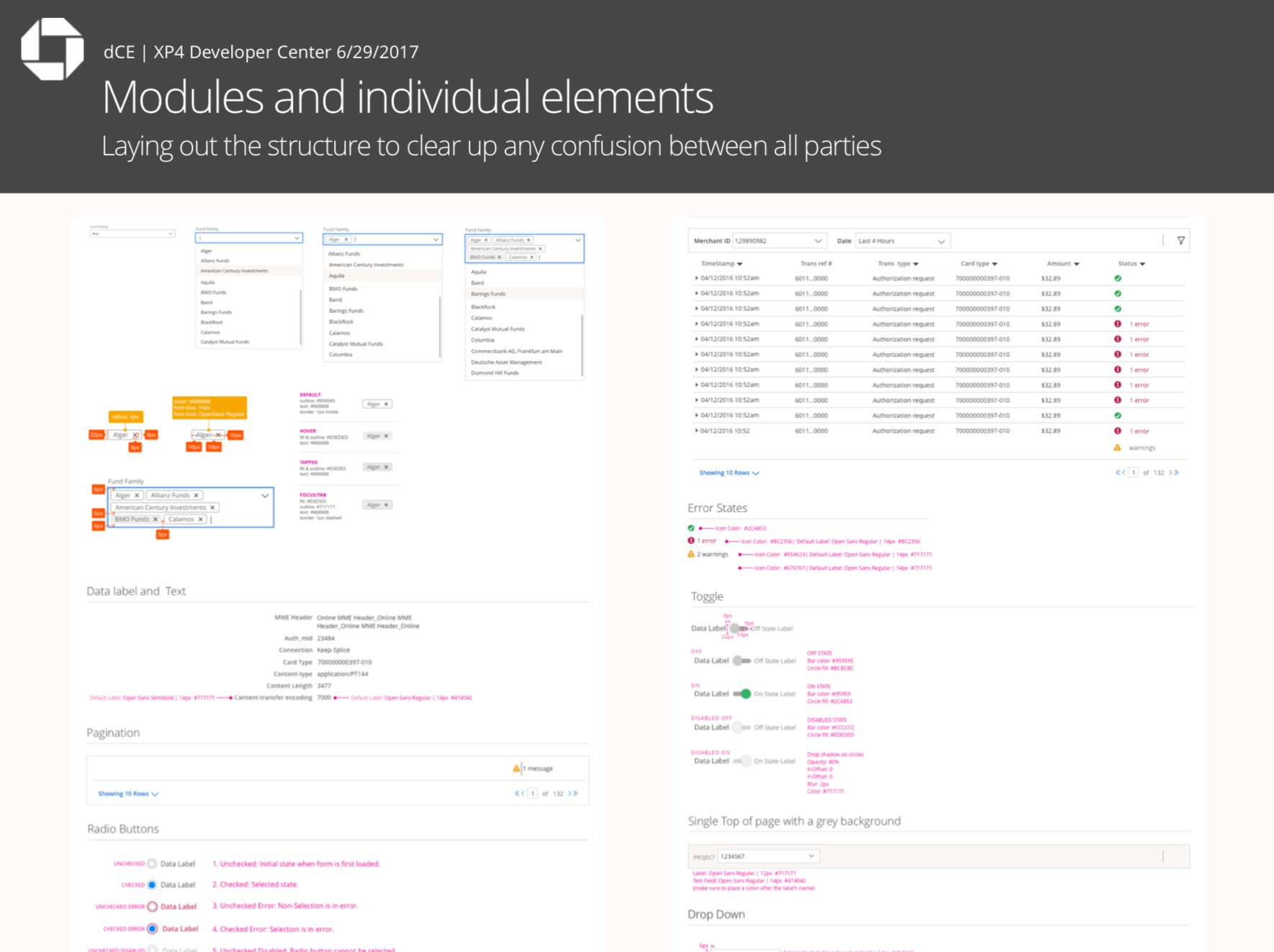
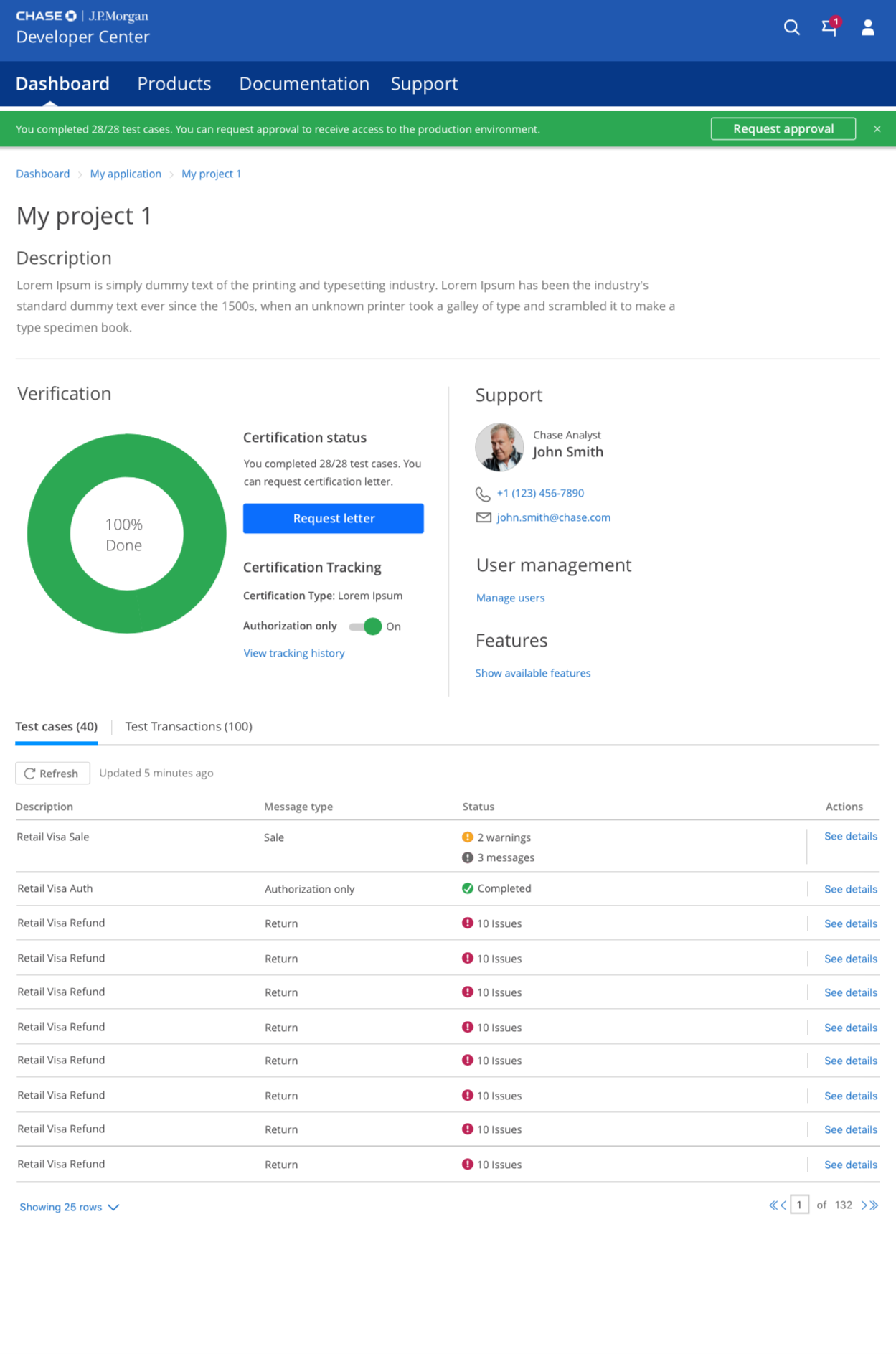
The user-testing and refinement iterations, the full certification application flow, and the dev-handoff specs and design system that scaled it — the deeper, sensitive work is available on request. A blurred glimpse of what’s inside:
 🔒 Gated
 🔒 Gated
Inside: user-testing & refinement · the certification application · dev-handoff specs · the design system.
Modernization & what it became
The foundation the ecosystem grew from.
The Dev Center was later modernized off its legacy stack as the APIs matured — a snapshot here; the full modernization story lives in Connected Banking. See Connected Banking →
The one-API-store strategy
The Dev Center work set the case for unifying JPM, Chase, and Merchant Services into a single API store — which became the API Portal.
Connected Banking
The consented-API platform and the firm-wide developer ecosystem grew from this foundation.
The craft, taught
The discovery method here became the playbook I later taught — see How I run design.
Next case study
Next →
Branding Developer Experiences
Developers are customers too — a branded, cohesive Chase developer portal and payment APIs, held to a consumer-grade bar.
Related cases